



There’s something magic about the moment you first decide to learn an instrument. Maybe it hits while you’re watching your favourite band tear up the stage, or while you’re sat at home thinking, “I’ve always wanted to play… I just don’t know where to start.” That feeling - part excitement, part mystery - is where every great musical journey begins.
But here’s the truth most people don’t tell you: learning to play a musical instrument isn’t just about talent or natural ability. It’s mostly about sticking with it. That’s where good habits come in. You don’t need to practise for hours a day or be pitch-perfect from the start. What you do need is a way to keep coming back - especially when the early days feel clumsy and awkward (because they will).
Whether you’re starting out on a music keyboard, picking up an electric guitar for beginners, or finding your groove on a bass guitar for beginners, the right habits can make all the difference. They’re what turn random practice sessions into real progress - and keep the spark alive even on the tough days.
This guide is ideal if you’re thinking of buying your first instrument from ElectroMarket’s beginner range. These seven habits aren’t about being perfect - they’re about keeping you inspired, learning, and genuinely enjoying the ride.
1. Set Clear, Achievable Micro-Goals
Learning an instrument can feel like standing at the bottom of a mountain - exciting, but overwhelming. That’s where micro-goals come in. By breaking your journey into smaller, clear steps, you give yourself steady wins to aim for. Not only does this help you stay motivated, it also makes your progress more visible - which is exactly what you need when you’re starting out.
Instead of saying “I want to be great at guitar,” try narrowing it down to something like “I want to learn the intro to this one song” or “I’ll switch between two chords without pausing.” These tiny targets are the building blocks of real skill.
This approach works beautifully no matter what you’re learning. If you’ve just picked up a music keyboard, set your first goal around playing a simple melody with both hands. If you’ve chosen a beginner electric guitar, maybe focus on getting one basic strumming pattern down smoothly. Starting with a bass guitar for beginners? Aim to lock in with a simple drum beat and hold your timing for a full song.
ElectroMarket’s beginner range makes it easy to find the right instrument to suit your goals - from compact keyboards with built-in lesson modes to lightweight guitars that feel great in the hands. The key is to match your practice with a clear sense of purpose, one micro-win at a time.

2. Build a Practice Routine You Enjoy
Here’s the golden rule: consistency beats intensity, every single time. The best musicians you know didn’t start by playing for hours on end - they got there by turning music into a regular part of their day.
The trick is to make your practice sessions enjoyable and sustainable. Forget about marathon sessions that leave your fingers sore and your brain fried. Instead, focus on short bursts of focused time - 15 to 20 minutes, ideally at the same time each day. You’ll be surprised how much you can achieve with just a little regular effort.
Got a busy schedule? No problem. Pop your beginner electric guitar on a stand next to your desk and grab it for a quick strum between tasks. Keep your music keyboard plugged in and ready so you can jump straight into practice without faffing around with cables and settings.
And it’s not just strings and keys - even 15 minutes on an electronic drum kit for beginners can make a massive difference when it’s part of your routine. It’s all about creating easy access, minimal friction, and a habit that feels like something you look forward to - not a chore.
ElectroMarket’s beginner instruments are built with that ease in mind, helping you start quickly and play comfortably, so your routine feels less like “practice” and more like fun.
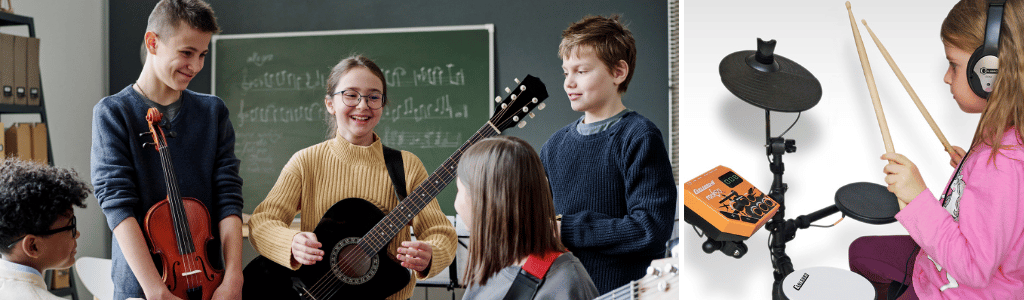
3. Play the Music You Love
There’s no faster way to lose interest in learning than forcing yourself through music you don’t actually enjoy. Playing an instrument should be fun - and one of the best ways to keep your energy up is to lean into the songs and styles you already love.
Whether you’re into rock, pop, blues, or lo-fi beats, bring those sounds into your practice from day one. Not only does it make things feel more personal, but learning familiar music helps your brain connect the dots faster. You'll already know how the song should sound, so matching it on your instrument becomes a satisfying challenge instead of a frustrating guess.
So if you’ve just picked up a beginner bass guitar, dive into some of your favourite riffs - even if you’re only tackling one bar at a time. Prefer keys? Try learning the melody from a track you can’t stop humming on your music keyboard. It doesn’t have to be complex - just something that sparks that “I love this” feeling.
ElectroMarket’s beginner instruments are perfect for getting straight into the music that moves you, with easy-to-use features and great tone straight out of the box. Passion is the fuel that keeps your practice sessions alive - so play what makes you feel something.

4. Record Yourself and Track Progress
It’s easy to feel like you're not getting anywhere - especially when you're caught up in the day-to-day grind of learning something new. But here’s a simple trick that works wonders: record yourself playing and keep a record of your progress.
It doesn’t have to be anything fancy. Use your phone camera, jot notes in a practice journal, or even create a private video diary. The goal isn’t to critique yourself harshly - it’s to give yourself perspective. What felt clunky two weeks ago might actually sound way smoother than you remember.
Beginner musicians using a keyboard or electric guitar for beginners often see improvement faster when they take the time to listen back to their sessions. It helps you spot what’s working, catch patterns in your mistakes, and build confidence as you hear your progress over time.
Playing back your practice also lets you approach your instrument with a more focused ear. You’ll start to notice tone, timing, and feel - and those are the things that really make you sound like a musician.
Many instruments in ElectroMarket’s beginner range are ideal for this kind of progress-tracking, with built-in features like headphone outputs, USB recording options, and user-friendly controls. So go ahead - hit record, play it back, and celebrate the fact that you’re getting better, one note at a time.
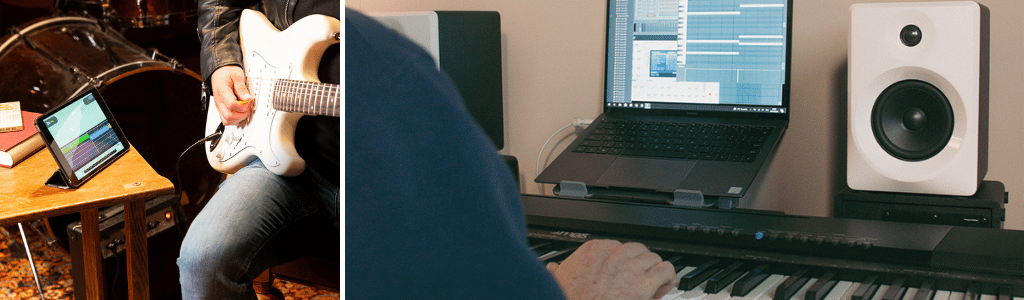
5. Embrace Mistakes – They’re Your Best Teacher
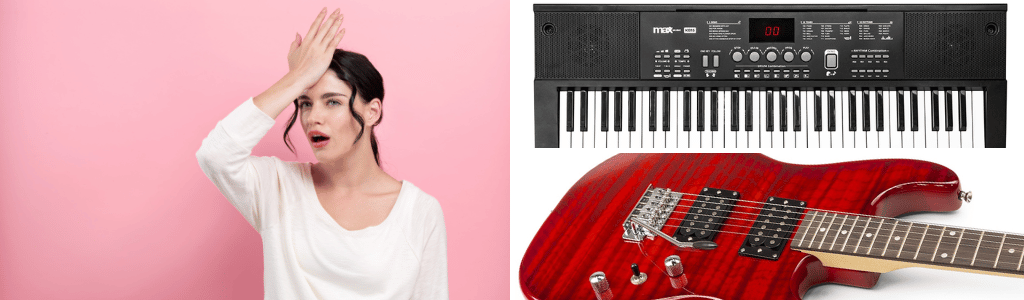
Nobody gets it right the first time. In fact, the mistakes you make early on are often more valuable than the things that go smoothly. That missed chord, the wrong note, the weird finger placement - it’s all data. It shows you what needs work and where your attention should go next.
This is where having a growth mindset really pays off. Rather than thinking, “I’m rubbish at this,” shift your thinking to, “Now I know what to fix.” It’s not failure - it’s feedback. And every misstep is a stepping stone to getting better.
It doesn’t matter what you’re playing. Wrong notes on your music keyboard? Good. You’re figuring out how the keys feel under your fingers. Missed beat on your electronic drum kit? Great. That means you’re starting to care about rhythm and timing. Fumbled chords on your beginner electric guitar? That’s just part of the process.
The more comfortable you get with mistakes, the less scary they become - and the more progress you’ll make. ElectroMarket’s beginner-friendly instruments are designed to encourage exploration, not perfection. They’re forgiving, responsive, and built to help you keep going even when things don’t sound quite right. So the next time you hit a wrong note, smile. That sound means you’re learning.
6. Mix Technique with Fun Play
While structure and repetition are essential to building solid technique, don’t let them take all the joy out of playing. Some of the best learning happens when you just mess around, try something new, or let your curiosity take over.
Balancing focused practice with fun play keeps your sessions from feeling like homework. Yes, scales and chord drills matter - but so does jamming to a song you love, experimenting with new sounds, or seeing what happens when you just play.
With a beginner electric guitar, you might explore different tones using your amp’s clean and overdrive channels, or try out a basic loop pedal to build simple backing tracks. On a music keyboard, you can tap into built-in demo songs, rhythm accompaniments, or experiment with quirky effects just for fun. That kind of freedom helps you get more familiar with your instrument, and sparks creative ideas along the way.
This habit is about keeping the spark alive. Mix in genres you’ve never played, try improvising over a beat, or learn a silly song just to make yourself laugh. ElectroMarket’s beginner instruments often come loaded with features that make this kind of playful exploration easy - so lean into it.
The more you enjoy what you’re doing, the more likely you are to keep going - and that’s what it’s all about.
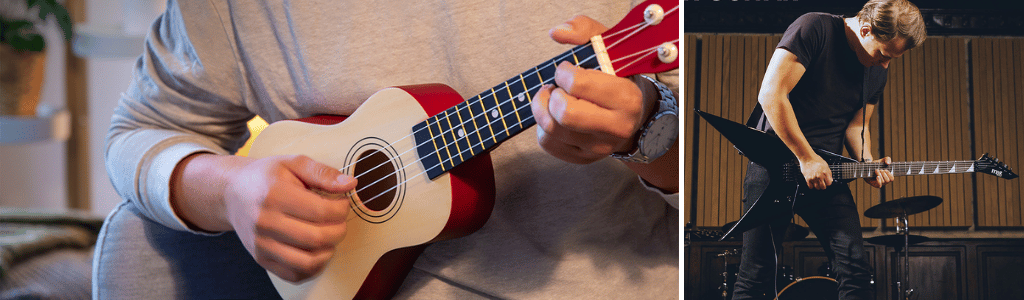
7. Find Community and Ask for Feedback
Learning music doesn’t have to be a solo mission. In fact, one of the fastest ways to stay motivated (and improve more quickly) is to connect with other people on the same path. Whether it’s online forums, local music meetups, or a couple of mates who are also learning, surrounding yourself with a musical community can make a world of difference.
When you share your progress - even if it’s just a clip of your latest attempt at a riff or a few bars on the music keyboard - you open the door to feedback, encouragement, and honest advice. Sometimes, what feels like a mess to you might actually sound great to someone else. And sometimes, a fresh set of ears will point out a simple fix you never noticed.
Don’t be afraid to ask questions or post a short video of your practice session. There are loads of groups out there full of friendly players, many of them working on the same basic songs and techniques as you. Confidence grows when you stop isolating your efforts. You’re not in this alone - and music’s always been better when shared.

Keep Playing, Keep Growing
The early days of learning a musical instrument are a mix of triumphs, wrong notes, and those moments where you wonder if it’s really clicking. And that’s completely normal. But the thing that sets successful beginners apart isn’t talent - it’s their mindset and their habits.
From setting small, achievable goals to simply playing the songs you love, it’s the daily choices you make that keep the music alive. Maybe you’ve just picked up a beginner electric guitar and you’re working out your first chords. Maybe you’re experimenting with a music keyboard, learning melodies one note at a time. Or perhaps the deep thump of a bass guitar for beginners has you hooked. Whatever your instrument, these seven habits will help you stay inspired, keep learning, and most importantly - enjoy the process.
And when you’ve got the right gear to support you, it all feels that bit easier. ElectroMarket’s beginner range is packed with instruments designed to get you playing from day one, with user-friendly features and quality that grows with you.
So don’t stress about being perfect. Just pick up your instrument, play a little today, and know that you’re doing exactly what every great musician once did - taking it one step at a time.
